19 May 2026
BPC-157: What the Research Shows About This Repair Peptide
A breakdown of BPC-157 mechanism of action and what peer-reviewed research has examined in preclinical models.
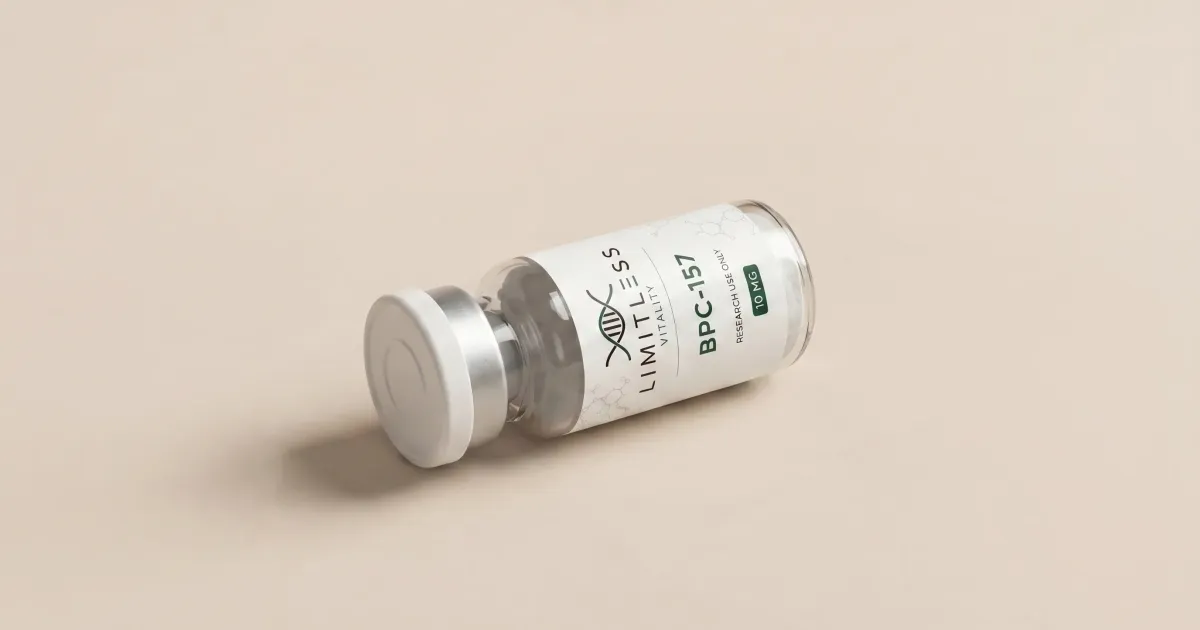
BPC-157 (Body Protection Compound 157) is a synthetic pentadecapeptide derived from a protein found in gastric juice. It consists of 15 amino acids and has been the subject of a growing body of preclinical research examining its behaviour in connective tissue, vascular biology, and the central nervous system.
Mechanism of Action
Research into BPC-157 has focused primarily on its interaction with the nitric oxide (NO) system. Studies suggest it influences nitric oxide synthase activity, which plays a role in angiogenesis, the formation of new blood vessels. This vascular component is considered central to much of the research interest in BPC-157, particularly in the context of tissue biology.
BPC-157 has also been studied for its interaction with growth hormone receptors. Research has examined whether it can upregulate GH receptor expression in tendon fibroblasts, which would be consistent with its observed behaviour in connective tissue studies.
What the Preclinical Literature Covers
The majority of BPC-157 research has been conducted in rodent models. The volume of studies is substantial for a compound of this type, with research groups predominantly from the University of Zagreb publishing consistently over the past two decades.
Key areas the literature has examined include:
Tendon and ligament biology. Studies have looked at transected Achilles tendons and medial collateral ligaments in rat models, examining collagen organisation and tensile strength measurements.
Muscle tissue. Research has examined crush injuries and their recovery patterns in skeletal muscle, with measurements focused on histological markers and functional recovery timelines.
Gastrointestinal biology. Given its origin as a gastric-derived compound, a significant portion of research has examined BPC-157 in the context of intestinal anastomosis, ulcer models, and inflammatory bowel presentations in animal studies.
Neurological pathways. A smaller but growing body of research has examined BPC-157 behaviour in the central nervous system, including dopaminergic and serotonergic pathway interactions in preclinical models.
How It Compares to TB-500
BPC-157 is frequently discussed alongside TB-500 (Thymosin Beta-4), given both compounds have been studied in the context of tissue repair. The mechanisms are distinct: TB-500 primarily acts through actin regulation and has been studied for its role in cell migration, while BPC-157's primary research focus is angiogenesis and receptor-mediated signalling.
Some preclinical research has examined the two compounds in combination, with the rationale that their different mechanisms might have complementary effects at the cellular level.
Research Status
BPC-157 remains a research compound. It has not completed human clinical trials and is not approved as a therapeutic agent by any regulatory body. The preclinical evidence is extensive by the standards of peptide research, but translation from animal models to human application has not been demonstrated through controlled clinical trials.
For researchers interested in the primary literature, the work of Professor Predrag Sikiric's group at the University of Zagreb represents the most substantial body of published research on this compound.
View the BPC-157 and TB-500 product pages for compound specifications and availability.
All compounds discussed in this article are for research use only.